A gem of an anime: Blue Box

I have always loved Japanese anime since my childhood years when series like Dragonball blew my mind and I think all the minds of my friends and school kids around the world, trying to imitate Goku doing the famous kamehameha movement. Mazinger Z, Dodge Danpei, Dragon Quest... so many amazing memories from those years in front of the TV screen.

The anime genre also had some great jewels in sports/romance in those years, I fondly remember Attacker You! or Attack Nro 1 that were nicely mixing love with volleyball sport.

I did not come back to the romance genre in many years, though I have seen in my adulthood many other great anime series like Attack on Titan or The Seven Deadly Sins. I was a bit bored at home wanting to watch something new, so I chose a Japanese series I had no idea what was about: Blue Box.

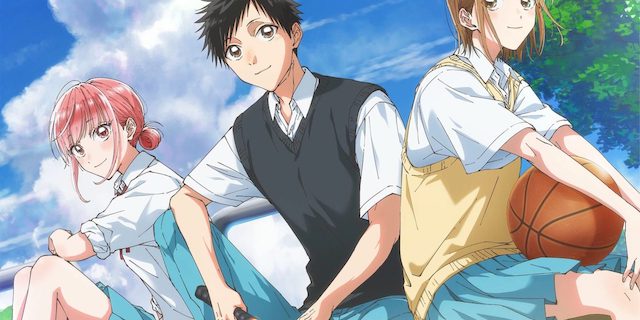
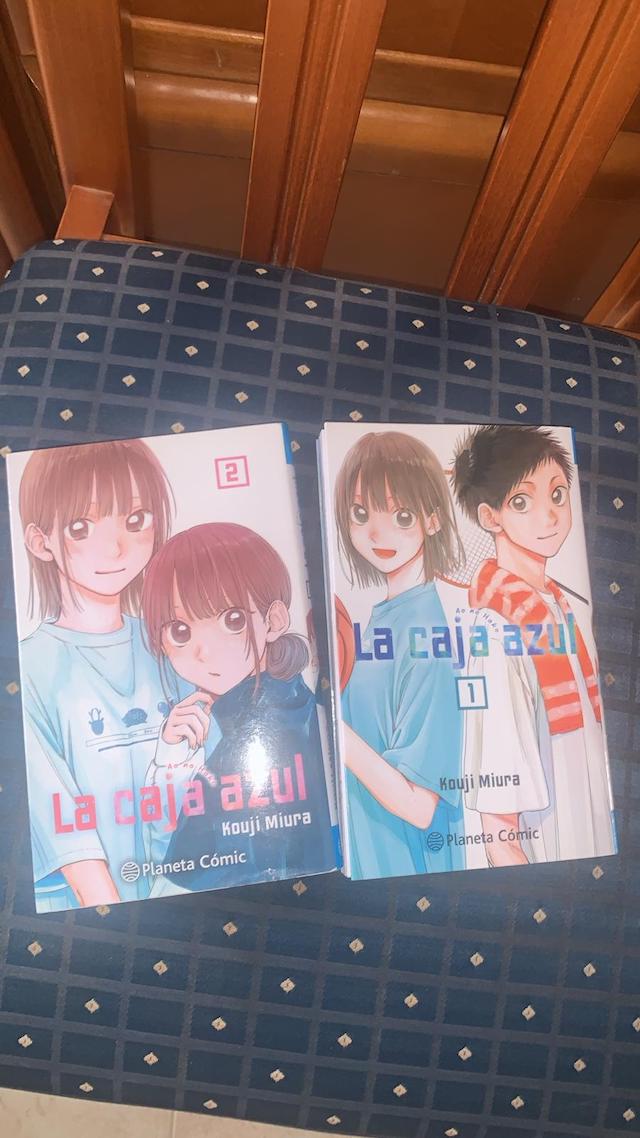
The series, that is currently available for its 1st season in Netflix, is based on the manga books series Ao no Hako by Kouji Miura, and follows the life of Taiki, a high school Japanese student who loves training and competing in badminton, while having a secret crush on fellow student Chinatsu, the start of the basketball school team. Adding to this, there is Hina, a cute chilhood friend of Taiki, start in the gymnastics team, with a funny straightforward personality and a love for Taiki and starts in secret but she has the nerve to declare to him.

When I watched the first episode, at first I thought, oh gosh this is so slow and lame, just for female teenage watchers, but the show captivated me quickly. The dialogues and situations are very nicely written and developed, slowly but steadily, the main characters are very likeable, the art is beautifully transferred from the book pages to the animation, and apart from the classic themes of love, shyness, misunderstandings and uncomfortable situations of the teenage years, there are also great moral values in the way of overcoming loss, trying to push the limits, working hard every day to give a better version of yourself, and friendship.

The secondary characters sorrounding Taiki’s life, like Hayru, an older player that pushes him to train harder, Kyo, who in the shadows seems to be the first to understand the situations or the funny and I think sometimes underrated Nishida, who has a gold heart even when often blurbs silly comments, are very well balanced. And Chinatsu is lovely from her voice, her actions, and her slowly shift of attention to Taiki. In a way it feels that even if we see the relationship form from the eyes of Taiki, she was already there interested from the first episode, something that Taiki himself does not realize most of the times.

Maybe what hit me hard and deep in this show is the memories that brings of some of the best years in life, when all is new and exciting and the world is full of potential possibilities: being the last one to notice small gestures that your friends notice, dreaming what the girl you like is gonna wear for a date next day, how just holding hands or close physical contact can make your heart race… that beautiful time that will never come back, but that we somehow can live again following Taiki and Chinatsu’s love story.

The show builds up slowly, do not expect here declarations of love from the first episode, but is a visual delight and you really feel like you cannot wait to watch the next one. For the moment Netflix has aired only Season 01, although for what I could see online, there is a Season 02 programmed for this 2026, while the original manga has advanced more in the story. I recommend both the manga books and the series, as the adaptation is fantastic and if you like Japanese anime, sports and a good love/romance evolving, surely you will enjoy this, no matters if you are a young teenager of a man in his mid forties like me. Give it a shot, it is one of the gems recently released for anime fans!

Interview with British writer Peter James

Bestselling British writer Peter James visited Helsinki a few weeks ago to promote the Finnish translation of one of his books, Dead Man´s Time, and FREE! Magazine had the chance to sit down with him to have a pleasant talk about many aspects of his long career, not only as a recognized crime author but also about his roles as producer in Hollywood movies, his hobbies, and many other interesting anecdotes that this truly gentleman wanted to share with us:

Thanks for the opportunity to talk to you Mr. James! Have you been ever before in Finland?

A pleasure. Yes, I was here on April 2011. Helsinki is a beautiful city and people are very friendly.

Unfortunately I could not assist yesterday due to work to the public event to promote your book translated into Finnish, but how does it feel for you when you have to talk about a book you have written years before and then after that you have already published several others?

It is difficult! This year I have been like in around 15 different countries: Russia, France, Germany, Spain, etc and in every place I go can be 6 months or 1 year behind. Here in Finland is one book behind.
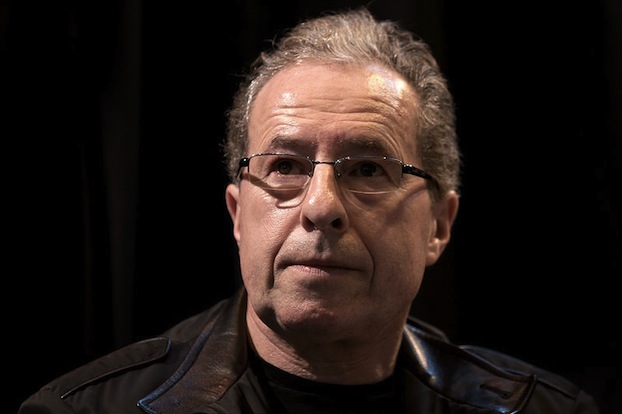
Peter James

If I am not mistaken since you were very young, your two big passions were writing and cinema. If you allow me to jump back in time years ago when you worked in North America, was it always a shared passion to work in both industries?

Well, I was doing what I could to make a living. At the beginning I was not selling enough books, I made my living writing scripts and producing film and television. Then in 1988 I wrote Possession that became a big success and then I wrote full time for 5 years. Then I was living in the countryside and I was missing the ¨world of people¨. I would speak to somebody in an office and I would think ¨you lucky bastard, you are sitting in an office surrounded by people, by beautiful girls, and I am sitting here with the dog and the rain!¨hehehe. I remember one day I walked through the field with my vacuum cleaner to repairing service just to talk to somebody! Hehehe So I thought ¨I need a life! ¨

In the cinema industry, every film is a battle. The last film I made was ¨The Merchant of Venice¨ in 2003, and you have, as with every film, you always have arguments. You have two or three producers who say ¨this is my film buddy¨, and then the director says ¨actually, it is my film!¨ and then the director of photography would say ¨he is an idiot, I saved the film!¨and then you have the actors that would say ¨darling, it is our film really¨ and then the editor would say ¨the film is a mess, I saved it!¨and the composer would say ¨the film was dead until I put the music on!¨

And what was your role?

Well, you are a ¨nurse¨. And with writing it is just me. Then in 2004 with the first Roy Grace book, I just thought ¨why am I bothering with films?¨

So is it really so brutal the film industry as people could imagine from outside, as you experienced it from inside?

it is really tough, lots of tremendous egos. Money disappears, even in the big studios. I think because of there is so much money involved… In books industry there is so much nicer people. In publishing, people who work there love books and reading. In movies, people love money.

Were you writing since you were young, or was there any breaking point when you decided that apart from the pleasure of reading, you also wanted to take a pencil and write?

I kind of wrote since the time I was 7. Then when I was 15 at school, I won a poetry price. I had a teacher who believed in me and thought that I had some talent, but I had no confidence as a child, I never thought I would amount to anything. I wrote a novel when I was 18 and to my amazement, it got me an agent in NY, that was a big boost, but it took me 10 years until I got my first book published. Then I went to film school and in the 70s in England it was terrible, there was no movie business. It was really hard to get into unions and everything. So I got a job for a daily show in Canada, Polka Dot Door, 6 puppets doing stuff and I was the runner. After 3 months the producer said that the writer was sick and they did not have a show and he had read my CV and asked me to write the show, so I started writing it 3 days a week. I was 22 and for me it was a huge confidence boost. And that was the start. Then I started making horror movie, they were cheap made in Canada. I wrote my first book when I was 28.

You keep a good discipline writing every day and you have been busy multitasking. Do you have enough hours during the day for writing plus all other activities?

Still my best writing time is from 6 p.m. to 10 p.m. I have a vodka martini, music, cigarette… I love that. I look forward to that time of the day. Then I read in the mornings and in the afternoons I play tennis or walk the dogs or read emails.

¨I love writing. I think I would write even if I was not paid because I really love learning things about human nature¨

When you have to promote your books and you are on tour, do you still find time to write?

Yes, yesterday for example I had a couple of hours free and I was writing in the afternoon on a plane. I finished my last book on an airplane to Singapore! I feel I can work anywhere.

Your books can be found all over the world. Now, as a bestselling recognized author, what keeps you going? Is there a point where you feel ¨ok, I do not want to write today¨. I know for example that as a hobby you like racing cars, so is writing something that trough the years you enjoy the same?

I love writing. I think I would write even if I was not paid because I really love learning things. One thing I love when I write is that I try to learn about human nature, people fascinate me and criminals in particular fascinate me. So writing a new book is a challenge to learn something about human nature. I think if I would stop writing, then I would then start writing again cause I would miss it so much. What fascinate me the most is trying to make sense of the world where we live.

Do you think that most of the crime writers that become successful can feel a sense of empathy for the ¨bad guys¨ of the books?

I think that the most most successful bad guys in literature are the ones whom you feel something for. For example, Hannibal Lecter, he is quite a monster but we kind of like it. For example Dracula is a monster, but he has got style. Frankenstein is a monster but we feel sympathy as he turns to his creator and says ¨you made me, I did not want to be like this¨. So I think that the best fictional criminals are the ones we feel something about. In real life, all of us… part of the fascination in crime novels is to think ¨what is the difference between a guy who does that and me?¨ All of us, you me and everyone in this office is able of committing murder. We have our bare hands, we have knives in the kitchen, we could get rid of the body and buy in a shop a shovel and some garbage bags… What we have not got as those people is the ability to live with it. We could do that, but after the remorse… we would have to tell somebody. Those ones who do not have remorse are the really dangerous people, and really fascinating ones.

Interesting! You hang around with the police often and do a lot of research for your books. Are you able when you hang around with the police to sleep peacefully and separate what you see from your personal life?

I get a lot of bad dreams a lot of nights. I see stuff constantly that most people are lucky enough not to see, but I always believe that you must do your research. I always remember the second book I wrote in 1982 called ¨bone angel¨I keep it unprinted for 35 years because I felt ashamed. I located a scene in Namibia but I was not there as I could not afford the trip, and then in the first interview I was asked ¨How was it like in Namibia?¨ And I was ¨Well you know, it was hot, there was a lot of sand… hehehe¨. I thought that I had cheated to my readers and promised not to do it ever again. So if I am describing something I want to go there.

How did you come up with the idea of Roy Grace character and his name?

What happened is that I was writing these spy stories that were not selling, I was very upset as with 3 books in a row I was not selling anything. And a friend of mine told me ¨Why are you writing about spies? What could I know about spies? You cannot research about it, you are not John Le Carre who worked in intelligence. You need to write about what fascinates you and that you can access¨. So we got a burglar and a detective came to my house and invited me to hang around with the police, they invited us to a police social night, a barbecue at their house, all the friends were policemen. I thought it was fascinating. Then time later somebody told me about this young homicide detective, his name is Dave Gaylor and when I arrived to his office, it was a mess, every inch was full of files, plastic boxes… I said ¨Are you moving?¨and he said ¨No, these are my dead friends¨. He explained he had been given the job to reopen all the unsolved murderers in the county of Sussex applying the latest advances in recognizing DNA, fingerprints, etc. He said that each of those boxes contained the principle file of an unsolved murder and was the last chance that the victim had for justice and the family for peace of mind.

So we became friends and he helped me in my research of my early books. Then was when my publishers asked me if I had thought about creating a detective as a central character. So I went to Dave and I said to him if he wanted to be a fiction detective, and he loved it! I changed his name, he does not look the same and his wife is not missing, but we work very close, he helps me when I am plotting the book, he tells me how Grace would think and whom I should talk to in my research.

Why the word ¨Dead¨ appears in every one of Roy Grace`s saga titles?

At first when I chose titles like ¨Twilight¨or ¨Alchemist¨, they had no copyright and then somebody else was coming with the same title. So I decided to find interesting titles with the word Dead, original that nobody would have used before. I thought that I should keep it… even people call it now the ¨Dead Series¨.

Peter James

You have hobbies like racing fast cars and writing about restaurants and food. What do you prefer, a good race or a good meal?

I love racing historical cards. Now I am racing a 1965 BMW. I race mostly in UK but sometimes in other countries too, next year I am going to do Monza and Spa.

Ever had a bad car accident while racing?

Yes, in May last year in 2013 I broke 3 ribs and I had 3 discs in my back. I still have my right leg a bit numb… but I am racing again! I love the atmosphere! It is the only time I relax. When I am at home or playing tennis or at the beach, I am still thinking about my book, but when I am racing is all consuming. I always loved cars!

You were at first line of the battlefront when your novel Host was advertised as the first digital novel. What do you think of this ¨war¨ between digital books Vs printed books?

I think that my first point is always that storytelling is storytelling and does not matter what the media is. Look at Shakespeare, he wrote plays because people did not read novels. Nowadays Shakespeare would be writing novels I think, as it is the biggest way to communicate. The popular printed books have been with us less than 100 years, relatively new. So when Host came out and they called it the first digital novel, although I think there were one or two before it, I became a world authority. I was invited to a speech in 1995 in Los Angeles about the future of the literature, and I was on a platform with Steve Jobs, the President of Time Warner, Nicholas Negroponte who was the director of MIT Media Lab and then me having jet lag thinking ¨what the fuck am I doing here?¨. So I think the digital book will become popular when is more convenient. Ask a child in 50 years time when is used to accessing everything on a screen. We as children were accessing everything on print. There are people who enjoy the feeling of the print and people who enjoy the convenience of a Kindle. Even old people read Kindle as they can do the print bigger, etc.

I have curiosity about your experience working in Hollywood as you have been with some of the most legendary actors and actresses in the world. How is to work with big stars as Al Pacino, etc. Do they have big egos or are more down to Earth that what we could imagine?

Some yes have big egos but some not. With Al Pacino we had a dinner with my partner in NY in November 2004 and with Jeremy Irons, and it was like being with a band of mates. The worst I have worked with was Peter Sellers, and Michael J. Pollard who was in the film Bonny and Clyde… he was… puff! There are a few who were pretty tricky. But for example Charlize Theron was really nice, Robert de Niro was pretty ok but demanding… I think my favorite is Al Pacino and also Sharon Stone, she is fun! We became good friends. I also worked with a Spanish actress, Nadiuska and with others as Richard Burton, Elizabeth Taylor, James Gardner

What are your plans after your current visit here in Finland?

I am going to Germany on tour there. Then back in England trying to finish my new book and then to America and then Canada and Iceland! I have not been before there in Iceland so I am looking forward to it. I will try to finnish my new book this week before I go to Germany.
Interview with Amanda Hocking

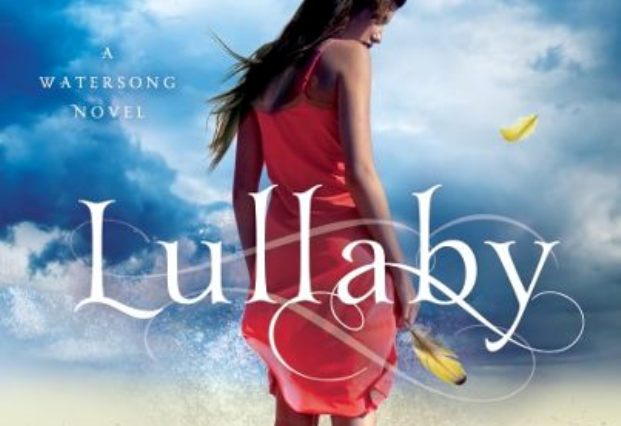
American writer Amanda Hocking could resume very well the Cinderella dream of thousands of writers that try to publish their work around the world in this new era of digital technologies. After getting rejected repeatedly by publishing houses, she decided to start self publishing her books in Internet in 2010. The result: an unexpected success translated in millions of copies sold and a few more zeros in her bank account. Lullaby, the second book of her Watersong series, will be out in the shops soon on November 27, and meanwhile Hollywood is already finishing a cinema adaptation of the first book of the series Wake.

Amanda kindly answered the questions that FREE! Magazine sent to her with the attitude of somebody who has accomplished a childhood dream, but still keeps her feet firmly on the earth knowing what is the value of a success achieved by endless hours of hard work and a rocking attitude of never giving up against adversities.

Lullaby

Hello Amanda and thanks a lot for your time! Lullaby, the second book of the Watersong saga, will be out pretty soon on November 27. Do you feel excited to check the public response?

I’m very excited! I know a lot of people enjoyed Wake, so that made me happy….I was kind of nervous with this being my first new book with a Publisher, but the response was great. I feel that each book in this series gets more exciting as they go on, so hopefully people will enjoy it at least as much as Wake.

For a person who would not have yet read any of your books, how would you define your style and the themes that you feel passionated to write about?

I think the best way to describe my books is “fun.” When I’m writing a book, my goal is obviously to be entertaining, but for the book to also be an escape. I like to include romance and action in my books, but also I try to throw in some humor…that doesn’t always work, because a lot of things that I find funny aren’t that funny, but I try, and that’s what counts.

Jumping back to your beginnings as author, you started to write books when you when very young, right? Did you always feel that writing stories was an important part in your life?

I guess I never really thought about why I was doing it… It was just something that I was always doing. I grew up in the country, so there weren’t that many kids nearby for me to play with or anything, so I spent a lot of time in my room writing stories, or else making my parents sit down and listen to me tell them some story I just came up with. I even wrote a lot in high school, too…I actually had friends then, and there were a lot of times I was busy working on a new book, and wouldn’t do anything but go to school and write for weeks, just because I wanted to.

“I think the best way to describe my books is “fun”

Is it true that you started to publish your books online in 2010 for trying to gather some cash to assist to an event with Jim Henson because you are a Muppets fan?

That’s true. I heard there was a Jim Henson exhibit coming to Chicago, which is about a 6 hour drive…and I didn’t have any extra money that I could spend on something like that, so I thought I would try putting some of the books I had written online, to see if I could earn a few dollars to help with that.

When did you realize that your books online were starting to become really popular and global? Did it shock you? Were there only good sides to it, or also some harder parts when you see that people start to pay lots of attention to what you do?

At first I was shocked… but then I started to think that everyone who puts books online must get these results, then I found out that they weren’t, and I was even more confused. I think the part that shocked me the most was when I got an e-mail from Terri Tatchell, who was interested in writing a screenplay for the Trylle Series.

Do you have any special person who checks first when you have finished writing a book to give a first opinion?

When I finish a book I have my assistant print off a copy for himself, read it, and mark anything he finds that he thinks I should change. I don’t necessarily listen to him, but I like getting the feedback.

You were a very consistent writer, having written dozens of stories and getting also quite a few rejections from publishing houses. Do you think you would have continued with the same passion for writing even if your books would have not turned out into the bestselling phenomena that are now?

I think so. I really started writing a lot more, and doing a lot more research a few years ago, because I told myself that if I wasn’t published by the time I was 26 I would stop trying, but I don’t think that was actually true…I may have stopped for a while, but I always get new ideas for stories, and have to do something with them, so I’m sure I would have kept on going whether or not anyone was reading what I wrote.

What would be your advice for those young writers out there who want to publish their stories?

I think the best thing anyone can do is to write a lot, read a lot, and do research. There’s a lot of different ways to go about doing things now, and you should know as much as you can so you can figure out what the best options are for you.

Amanda Hocking

How does it feel now that you have signed with big publishing companies?

I’m really enjoying working with my publisher. Doing everything on my own got to be very draining, so having a team of people working with me is a big relief, and it’s a lot more fun to have a bunch of people working on things with me than just going at it by myself.

Also, they are preparing the adaptation of the first movie of the saga into cinema. Do you follow closely the project? How is the feeling for a writer to see the characters in “real” flesh in the big screen?

The last I’ve heard about the film is that they are working on the final draft of the screenplay. I don’t check in that often on the progress, because I don’t want to annoy anyone, but if the film is made I will be super excited.

Does it suppose an extra pressure for a writer when the work of a saga that is not yet fully published start to be in the big screen? (I am thinking for example about George R.R. Martin and Game of Thrones, with the TV series ongoing while the last 2 books are not yet published)

I’m sure that would be difficult. It would be hard not to pay attention to the direction they take it, especially if you had something else in mind.

You recognize yourself as a big fan of Batman. So do you prefer The Dark Knight over Tim Burton’s Batman? What is your opinion about the last movie of the saga?

I think the Christopher Nolan Batman films are amazing. My favorite is The Dark Knight, but I also really enjoyed The Dark Knight Rises. I also love Tim Burton’s Batman movies, but they’re very different .

You seem to keep in close contact with your readers over Internet, even in your home site there is an email contact address. Do you find the time and energy to answer personally to all your fans?

I try to… I think I do the best job of replying to people on twitter…it’s a lot easier than going back and commenting on different things on a blog or Facebook… I think twitter is a great way to connect with people, for me at least.

What do you like doing when you are not writing?

When I’m not writing I like to catch up on TV and movies, spend time with my friends, and we are working on turning a spare bedroom into a craft room at the moment, so I’ll probably start making more collages and scrapbooking.

I think you also have the third book of the saga ready. Are you currently working on writing, or are there other professional things (not ideas) that keep you busy?

Right now I’m about half way finished with the last book in the Watersong series…I’m also working on the graphic novel adaptation of the Hollows books. After that’s finished, I have quite a few new ideas I’d love to start working on, so we’ll see what’s next.

Anything you want to add for our readers?

Thank you very much!!

Read Amanda´s blog at http://amandahocking.blogspot.fi/

Interview with Welsh Bestselling Author Ken Follett

When I was a kid, I was a very good disciplined student. After school I used to go to a private academy to take English and typewriting lessons. There were not many things that would make me skip those lessons, but I perfectly remember one week where I hardly assisted; the reason? I preferred to stay at home totally hooked on reading Pillars of the Earth.

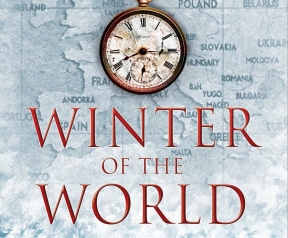
Years later, I have had the pleasure to chat on the phone with my childhood hero writer: Welsh author Ken Follett. If his name does not ring a bell to you, probably you are the kind of person who never steps inside a bookshop. Having reached 4 times in his career the top 1 in the New York Times best selling time, Follett is back in the spotlight with the recent release of his second book (Winter of the World) of his probably most ambitious work so far: The Century Trilogy, that spins around the history of the 20th century mixing generations of fictional and real historical characters. A work that can turn into the cherry on top of the peak to a career full of epic stories.

FREE! Magazine brings you an exclusive interview with… Mr. Ken Follett!!!

Ken Follett

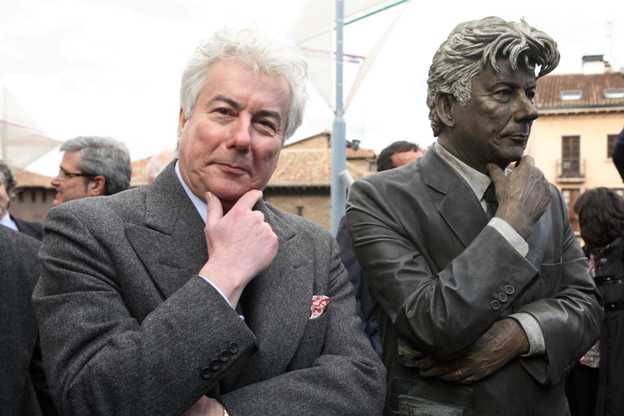
Thank you for your time and for kindly attending us Mr. Follett. For a writer who has sold more than 120 million copies of his books, who even has his own statue in Vitoria… what keeps you motivated to wake up every day and write?

Well, I do not find it difficult at all to wake up in the morning and work. In fact, when I wake up the first thing I am thinking about is the story I am writing. So I do not really need anything to keep me going. This is what all my life is about.


In one past interview I heard you said that you need to read a lot to become a good writer. Do you still have free time to read and learn new things meanwhile working in such a vast work as The Century Trilogy is?

Yes indeed. I read all the time. During all my life, reading has been one of my greatest pleasures, so I would say that the main reason why I read is because I enjoy it, but also by reading I like to see what other writers are doing, writers that maybe do things in a different way than I do things. I find all that very interesting.


I know you use Tweeter often and you keep close contact with your readers. Do you write for pleasing the masses of readers or for pleasing yourself?

I have always thought first about what the audience likes, not what I like. I ask myself questions all the time. Would they like to read this, would they love this character, would they hate this character…? I do not really think about what I like, because what excites me is to commit the readers to the story. Of course I write also about things that fascinate me too so I enjoy them, but my first question is always about the reader, not about myself.

“I have always thought first about what the audience likes, not what I like”


For many other writers, they could have thought that with the great success you already gathered with previous books that they had nothing to prove, and be comfortable working in a smaller project. But with your new The Century Trilogy, is this your most ambitious project so far? Did you have the feeling you still have something to show to the world, a bigger “magna opus” than Pillars of the Earth?

Yes, after writing World Without End, I was very pleased with the way readers responded, it was a huge success all over the world and I wanted to do that all over again. But you are quite right to say that The Trilogy is more ambitious than anything I have done previously, and when I thought about it, I thought it was quite a torturing project… and I thought “Am I good enough? Am I capable of doing this?”  But then I thought “You have to try it”.


Here like in some other of your books, there are love stories that spin through years or decades of separation, overcoming all difficulties until reuniting, etc. Do you believe in love forever, now that we seem to live in the western love in an era when everybody wants fast relations, fast money, fast cars…?

Well, I do not think there is ever one answer to the question about love, if that is what you are talking about. The truth is that sometimes fades away and sometimes lasts for a long time. And both of those things happen in my stories.


Ken Follett

Family is also important in the trilogy, with the new generation of characters from Fall of Giants continuing the story in Winter of the World. Do you think the readers get more bonded to an epic story when following generation after generation?

Yes, I think it does, that is right, because most of my readers have children, and when people have children they tend to think about how they will be like when they will be adults. That is something that intrigues all of us “Will our children and grandchildren be good people? Will they be happy?” and we fear if things could go wrong for them, so when we read stories about families, it is easy for us to share the hopes and fears of the parents for their children and grandchildren.


“I would have chosen San Francisco in 1968 as favorite time/place of the 20th century”

In Fall of Giants one of the families is Welsh as you, portraying the life in the mines and featuring a strict father as head of that family. It is known you had also a strict childhood. Did you pour a lot of autobiographical content when creating the Welsh family Williams?

Yes, one of the attractions of writing The Century Trilogy for me was the opportunity to write some of it from my own experiences, to write from where I come in south Wales, the religion that they follow in south Wales with which I grew up with… I grew very attracted to the story because allowed me to write about it and I feel very familiar with that part, even though I also had had some problems with it, like with religion itself to the point that I reveled against it. But in general I found it very pleasurable to write about it.


If you could travel in time to a place and time in the history of 20th century, which one could you choose as the most appealing?

Well now… that is an interesting question… (Follett needs a few seconds to think about it). …I guess I would have chosen San Francisco in 1968, hehehe.


Ken Follett

With the real characters, you try to use their own words and speeches etc from real life. How much research is needed before writing every book?

Yes, there is a lot to read, there is a great deal to do, details to research… that is how it works. But I am not complaining, I enjoy it and it fulfills me. I would say I spend around six months in the year planning and researching the book

Once you finish the first draft, who is the first person to read it, is it your wife (Barbara Follett)?

The first person to read it is my all time agent Al Zuckerman, he has been for 30 years now the most important person of all the people who advise me on my books. He is very precise and he is very critical, he is much more critical than my wife; my wife is not so cruel enough, hehehe. My agent does not need to sleep with me so he can be cruel, hehehe.

At the same time that you are promoting the second book, are you already working on the third one of The Century trilogy?

Yes, I am working on the third book and I am on the planning and researching stage. In the last days I have been reading about people who escaped from West Berlin through the wall, I have studied how they escaped, the obstacles they faced, the dangers if they would be shot by the guards and all the different methods and ways they used: there were tunnels… people went over the wall, people used force… many different ways…

You play the bass guitar at the band Damn Right I got the Blues. Would you like in the future to write a book combining your passions for literature and for music?

No, I do not think so. Music gives me great pleasure but I am not good enough to make a living out of it, it is a thing I do for fun but not professionally. And it is quite difficult to write about music, you know, there are not so many good books about music, because the reader cannot hear the music. I think that causes a problem for a book about music.


If somebody would contact you with an interesting story like Ross Perot with On Wings of Eagles, would you accept still to write a book under petition, or now you only write the stories that come from your own mind?

I probably would not accept to write a book under petition now, I have too many exciting projects of my own to think about, so I probably would not do another like that, a non fiction story, now.

-Anything you want to add for the readers?

I have nothing to add, I think we covered many topics. I enjoyed talking to you and thank you!

Interview with Swedish writer Håkan Nesser

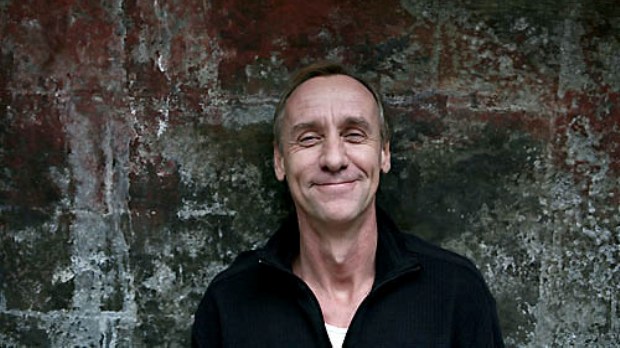
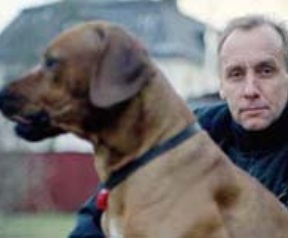
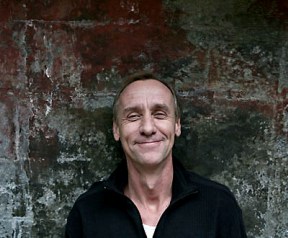
Håkan Nesser is a capital name in contemporary Swedish literature. Having won three times the Swedish Award for best Crime Novel, he is one of the Nordic writers better known around the world with his books having been translated to many different other languages. FREE! Magazine could not let escape the opportunity to get to know better the man behind those fictional crime scenes.

He turns out to be a very friendly person on our conversation on the phone while he spends his holidays in his native country, Sweden, away from London, the city where he resides for the last 4 years.
A man who feels relaxed and contempt about what he does but has not lost curiosity about the world around him, we spent quite a lot of time chatting on the phone with him about life in Finland, the autumn he spent in Spain around Torremolinos area in the late 90s, soccer… and of course about literature and his books. The Swedish author was in fact enjoying his summer holidays back in Sweden, spending some time in his native country before going back to London.

“Yes, I have been living in United Kingdom for around 4 years, so I spend the summer in Sweden and go back to Sweden around October-November. But I will move back to Sweden in January. Before we lived in New York for 3 years and we wanted to stay in the United States. My wife is a doctor but she could not find a job there, it is complicated for a doctor to find a job there, so we decided to move to London. So we have been abroad for 6 years and we thought that it was about time to get back home.” Nesser tells us.

Hakan Nesser

I recently read your latest book translated into English, “Hour of the Wolf”, but in fact it originally was written by you in Swedish 13 years ago. Does it annoy you to have to answer to questions about books that you wrote more than a decade ago?

Well, that is the way it works. The problem is that sometimes when they ask me things like “why this character did this in chapter 26” I do not remember anymore, I had a reason when I wrote it but I do not remember the reason years later. I read the book in English when it was out so I can remember the main things, but well, I have written 15 books after that.

In this book the character Van Veeteren is retired and steps a bit outside the investigation. For readers like me who have not had the chance to read the next ones in English because they have not been published the translations yet, in what direction will the character develop?

There are 10 books about Van Veeteren. This is number 7. The idea was to write 10 books, so he starts out as police officer in the first 5 books and then he changes and he buys this antiquaries shop, so in the last 5 books he is working as an antiquarian. In this case he gets much involved in the book because his son was killed, but well, the idea was to give more room to the other police officers in the team.

So you did not want to focus on the main character like many other sagas do, so this would be more of a collective focus on the other characters?

The focus was not meant to be on the police officers but on the story, on the plot. The story is always more important than the police officers. That is where the focus should be.

“I think I still have 2 or 3 books in me to publish, and then I am done as a writer”

A feature I noticed in general in other books that I read written by you is that there is not this hard line separating the good and the bad guys. The criminals are treated in quite a condescending way. Do you think that depending on the circumstances in life, every person could be a potential criminal?

Given the right circumstances, almost everybody could become a murderer. We need to realize that we have the same psychology as the murderer, we are all human beings. We might be lacking the circumstance that you need to make a choice, but it could happen that life could put you in a circumstance where you would need to kill somebody. I want for the reader as for myself to have an understanding of the criminal, the same you can mirror with the psychology of a police officer, you can mirror with the psychology of a murderer. It gives a humanistic touch to it.

Before becoming a full time writer you worked as a teacher, right? When and why did you decide to quit that career to dedicate your efforts just fully to your books?

Well, it took a lot of time. I started with the books quite late actually, I was 40 when my first book came out and then they started selling and they were translated into other languages, which meant that I had to travel abroad, meet other writers, etc. It took quite a long time for the writing. For a number of years in the 90s I did both activities, I worked half time as a teacher, but then I realized that it was time to get out of school. But I enjoyed being a teacher. But I think unfortunately you are a better teacher when you are younger, because you have more energy. If you teach for 40 years, probably you are better in the first 20 years. At least you have to change techniques to teach. I was a teacher until I was 48 and enjoyed it, but if you have a chance in your life to do different things, you should take them, no need to do the same for all your life.

And since you mentioned about your books when started to be popular and appeared in different countries around the globe, do you think you would have had the motivation to keep on writing if success would not have knocked at your door?

I am not sure, I was quite old when my books became popular. It could be complicated if you are young and then you had immediate success, but I realized that this is very random, I was lucky to be on the right spot and then people seem to like my books. Shit happens… and goo shit happens too! I was lucky but you have to realize that I am just a writer, there are better writers and definitely also worse writers. I am used to it and it is not really so big thing for me to realize that my books are sold everywhere.

Hakan Nesser

If I am not mistaken, actually crime novels were not the kind of genre you wanted to focus on when you started right? So how did this happen?

To me it is not important if it is a crime story or another kind of story… what it is important is that it is a good story, a story that I would like to read myself. I must have written around 25 books and maybe 15 of them are crime fiction, the rest are something different, sometimes they even cross genre so they can be crime fiction and general fiction at the same time so as far as you tell a good story, that you call it a crime story is not important for me. But I think this year will be written my last crime story, because I have this other series with Barbarotti so after the last book of this series, I will not write more crime fiction. There are more crime writers in Sweden as you may have noticed…

Yes, people always talk about the “Nordic Crime Writers”, but I think you do not like much this stereotype of putting all of them in the same basket…

Absolutely true. I write my books and I do not care what other people do. In England for example, out of 10 questions, you get 5 questions about Stieg Larsson and then you get 3 questions about Henning Mankell and then you get 2 questions about yourself. So because sometimes I write crime fiction and I am Nordic, they put you into that category as “Nordic Crime Writer”.

But do you think that subconsciously the place where you live can affect the writing style? Like for example here in Finland it seems to affect the music styles with a lot of heavy metal bands popping out of every bush.

Well, I think that is what people outside thing, that we live in gloomy places, in cold climate, etc. When I lived in New York, the only Swedish person they knew there was Ingmar Bergman, the film director. If you see a character from a Berman´s film, where they do not talk much, everybody seems to be suicidal and depressed, etc this is almost the ideal character for a crime story. Somebody does something wrong at you and then you wait for 20 years to take revenge… When people buy the books in different countries, they like the stereotypes, so I mean, when I comes to selling books, it is good, but Scandinavian crime is so different… If you take Leena Lehtolainen in Finland, if you take Stieg Larsson… we are totally different. In Swedish if you take me and for example Henning Mankell the only common thing is that we write in Swedish.

“The character of Van Veeteren is a bit of a mystery to everyone, even to me”

I suppose it is not easy to get rid of the stereotypes…

Well, there is no need to get rid of them but the point is that at least in United Kingdom, journalists try always to find what is the “secret” of Nordic crime novel. I always say there is no secret, there are different good writers but we write differently. Writing is a very complicated process and you have to weight and choose every word, there is not simple solution for writing a novel.

You mentioned before you are not planning on writing more crime novels, so do you have any idea in mind of what would you like to write next?

I am not sure; I think I have 2 or 3 more stories in me. The thing is that you should try to write a book that you feel that it is so good that you wanted to read it yourself, so you do not repeat yourself and every time you need to find a new story, so this becomes more and more complicated, but I know that I have 2 or 3 books more in me, and then I am done!

And then time for holidays and relax in Spain again!

Exactly, maybe time to visit Ronda then!

How would you compare the character of inspector Van Veeteren with Inspector Barbarotti, the two key figures of your two sagas? What differences and similarities do they have?

First of all, Barbarotti has an Italian name but he is Swedish, so he had an Italian father. The action happens in Sweden and he is younger, at least 15-20 years younger than Van Veeteren. He has more of these latino features, if he is angry, he acts different and it is easier for the readers to identify with Barbarotti. Van Veeteren is a bit of a mystery to everyone, even to me. But Barbarotti is more “normal”.

What do you enjoy doing when you are not writing?

I travel a lot; also the books take me everywhere because I am published in 30 countries, so I am always travelling. My kids are grownups so I and my wife travel a lot, but we have dogs and it is complicated to travel with dogs, reading of course, and also I like listening to music and sports. I love soccer. Sadly Finland was not in the European Cup.

And with a little more of great chat off the record about football scene in Spain, Finland, Sweden and England, we said goodbye to Nesser, a truly gentleman and a great down to earth person to talk about literature and many other contemporary topics. Big thanks to him for finding some time during his holidays to attend our questions!

Book Review: Hour of the Wolf – Hakan Nesser

Review written by Sirpa Salenius

It all started on a dark rainy night as he was driving home after an evening out with his buddies. The road was slippery, visibility almost non-existent, and the level of alcohol in his blood certainly did not help his concentration. Maybe the last drink had been too much, after all. Maybe he should have left his car outside the bar and taken a taxi home. The idea had crossed his mind, but at that moment it hadn’t been raining and he really didn’t feel that drunk. He just wanted to go home, take a hot bath, and go to bed. He was thinking of that relaxing steaming bath when his car hit something. He felt a thump that shook the car. What was it? He stopped the car, got out – and that’s when he saw the body of a young boy. There was no doubt about it, the boy, who seemed barely fifteen, was dead. There was nothing he could do to save him now. But it eased his conscience to know that it had been an accident.

As it turns out when the story starts to take its course, abandoning the body by the side of the road was a wrong decision. It set in motion a chain of events the unfortunate drunk driver was unable to control. Others need to die in order for him to keep his identity concealed, but what has changed is the intentionality of the killings. No longer accidents. Victims of calculated murder.

Hakan Nesser

Hakan Nesser at his best – one of the most intriguing stories with Van Veeteren as the protagonist working to solve the crimes. In this thriller the vulnerable, aging Chief Inspector is fully developed; he is presented at the height of his defenselessness. Now already retired from the Maardam police force, he is depicted mourning a personal loss, trying to cope with his personal problems while assisting his colleagues find the murderer. What could possibly be the motive for these seemingly senseless and random killings? What is the driving force and logic of the murderer? When the wheels start turning, there is no way to stop them.

Hakan Nesser’s thrillers appeared long before the Stieg Larsson trilogy. The author has won the Best Swedish Crime Novel Award three times and he is also the winner of Scandinavia’s Glass Key Award and the European Crime Fiction Star Award (2010/11). His Van Veeteren series is published in over 25 countries in which readers keep waiting for more.

Book Review: The Killing

Written By Sirpa Salenius

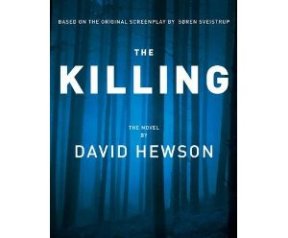
Machiavellian politicians in David Hewson’s The Killing

David Hewson’s new novel, The Killing, is a good example of how authors have started to use the genre of crime fiction to voice their social criticism. In their thrillers/detective stories Henning Mankell, Stig Larsen, Jens Lapidus and now Hewson all express their concerns about contemporary problems: corrupt politics, stereotypical prejudices towards immigrants, the loopholes in social welfare, victims of overly protective society, class divisions and social hierarchy. One of the central topics in Hewson’s thriller is the power of media, or media manipulation. In today’s world, it seems, one is judged and condemned on the pages of newspapers and magazines well before any official charges are issued. Consequently, one is deemed guilty until proven innocent. Even afterwards, the guilty label may be hard to remove as media headlines with powerful messages reach a vast audience who then have a hard time erasing media’s condemnation.

The Killing

The group of protagonists in The Killing, which is set in Copenhagen, are Machiavellian politicians and their ambitious assistants who think that the end justifies the means. The ruthless game of politics is played at the cost of innocent lives and rivals’ reputations. The world of false values and questionable morals that forms the background of the thriller becomes nauseating even to some of the politicians who are used to maneuvering that world. Petty criminals join the political leaders in the row of potential suspects in the sinister case of rape, torture and murder of a dazzling 19-year old student Nanna Birk Larsen. Through more than half the story you feel convinced about the guilt of one suspect after another as sympathies and antipathies divide the characters into “good” and “bad” guys. Detective Sarah Lund stands firmly in the limelight with her nearly obsessive desire to catch the murderer. Can good win in the callous political game of calculated moves aimed at gaining votes for obtaining power?

Can simple genuine love, two hearts beating as one for better or worse, be declared the precious essence of life? The unexpected plot twists and tangibly forceful action make you hold your breath and inject adrenaline into your system while your heart keeps pumping – faster and faster. Extreme emotion, intense thrill, brilliantly built suspense.

The Killing will be launched at “Crimefest” in Bristol on 25 May 2012.

http://www.davidhewson.com/the-killing-novels/

Book Review: The Glass Room

Review written by Sirpa Salenius

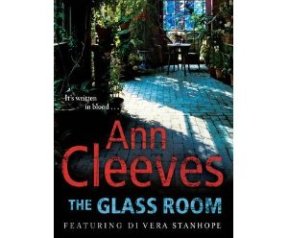
The Glass Room is Ann Cleeves’s fifth Vera Stanhope story

Ann Cleeves calls attention to the writing of detective stories in her new novel, The Glass Room, featuring Northumberland DI Vera Stanhope. The soft-mannered investigator leads the way in the mysterious murder of a highly-esteemed literary agent Tony Ferdinand. The setting for this detective novel is the Writer’s House in the English countryside where a group of crime novelists had gathered for an intense week of tutorials, hardly expecting to be involved in a real murder case. All the emerging novelists at the creative workshop in the isolated country house all of a sudden become suspects; they all know enough about murder to be able to commit one.

The Glass Room

As others have already noticed, following Detective Stanhope’s investigation is like reading Agatha Christie again. Or Sherlock Holmes. Or like watching police inspector Barnaby. The conventional gothic setting, the novel’s so-very-English characters, and the slowly built up suspense are a welcome change to modern gruesomely violent crime fiction. A pleasantly entertaining traditional whodunit mystery novel.

The Glass Room was published on 2 February 2012 by Pan MacMillan.

Interview with Swedish writer Jens Lapidus

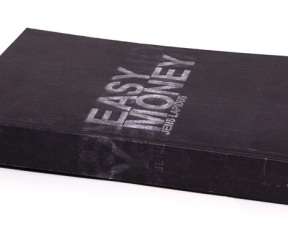
Swedish writer and lawyer Jens Lapidus has become one of the most recognized contemporary authors in depicting the crime underworld in both his native country as well as in the international literary world. After the release of the translation in english of his debut novel Snabba Cash (Easy Money), FREE! Magazine contacted him and he kindly answered our questions about his books, the cinematographic adaptions of his novels and his future projects.

Thanks a lot for attending us Jans! Being a lawyer, has your career been affected in any way after your books started to become popular? Have more clients been dragged to you, or on the other hand some could be reluctant to collaborate with you, being now a public figure, or everything has remained more or less the same?

As my book has been read by a large number of people, including people in jail, I think that some of my clients especially asked to be defended by me as I was a lawyer that they had heard about. But ultimately, I think that it is your performance as a lawyer that will generate clients, not writing books.

Jens Lapidus

I suppose that due to secrecy agreements with the clients, the stories that you tell in the books are not exactly based in reality, but is there a great source of inspiration from what you hear and see in real life in your work as lawyer poured into your novels?

Of course. And that is also how I started writing, to deal with the experiences and stories that I heard in court. But the interesting thing s that reality is always worse and more violent than in my books.

For the foreign eye, the Scandinavian capital cities seem like a paradise of peace and security when compared to other cities in the world. Based on your experience, is this a wrong impression, is there really an underground world of crime that only a few eyes of lawyers and policemen perceive, or the feeling is basically just amplified in your novels?

I would say that the world of underground crime is large and growing in Stockholm. However, most people have nothing to fear as long as they stay out of the way. Actually, I often get this question, and when I was in Russia for the release of my book, they thought I was describing some sort of kindergarten!

What is your opinion of the film adaptation for “Easy Money”? Were you satisfied with the result?

Very satisfied. I think they managed very well to make an independent interpretation of my book and the really kept the authenticity of my book. However, as a writer it was sometimes difficult to hand away my baby that I cherished so.

I have read also that there will be soon an American adaptation done by Warner Bros. Could you please explain us a bit more about it?

Yes that is correct, but unfortunately I can’t say much more due to secrecy clauses.

Are the other 2 books of the trilogy also to be adapted into the big screen?

Yes. Number 2 has been shot already and number 3 is under script adaptation.

If I am not mistaken, the second book of the trilogy “Never Fuck Up” is not much connected with the first, however the third “Life Deluxe” links with the happenings and characters of the other two books. Was this structure planned by you from the beginning, or did it happen more spontaneously during the writing process that you decided to link everything in the final book?

I would say that they are all connected even though you are right about some characters make a come back in the third. My ambition is to build a universe where it all fits in and has its own place.

Easy Money

In your books, although obviously some of the characters and criminals portrayed are Swedish, there are also many foreign characters. At least here in Finland during the last year the political and public opinion has diverted to be more “nationalistic”, where a sector of population sees immigration as a thread for the privileges of a warfare state. How is your opinion in the matter and how do you see this situation in your native country? Do you find it difficult when choosing nationalities for the characters to keep “politically correct” for both the national and the foreigners living in Sweden, or frankly you do not think at all about these issues when writing your books?

I am very much in favor of an open society. I have never been criticized for the choice of my characters.

Out of curiosity, when you use a lot of expression and sentences with the foreign characters portrayed in your books, do you have any native speakers of those languages (for example Spanish from Chile) that help you with the language during the writing process that you can consult at the same time, or do you make the research yourself and then the editors check that everything is in order after you complete the book?

I do a lot of research myself, and I have some Serbian friends who help me with Serbian culture issues. I know some Spanish people, “unfortunately” Chileans.

What are your favorite all time authors, and what books have gladly surprised you that you may have read lately?

I have been really inspired by James Ellroy and David Peace. Right now I am entranced by the short stories by Ferdinand von Schirach.

Do you find difficult to find free time and energy to write while working as a lawyer, or how do you manage well for balancing your time to achieve both careers?

I love them both, and writing is a relaxing hobby for me. I do not watch TV or movies, I write instead.

What are your future projects and plans for 2012?

I am writing on a collection of short stories that I might want to publish.

Estonian literature invades Finland

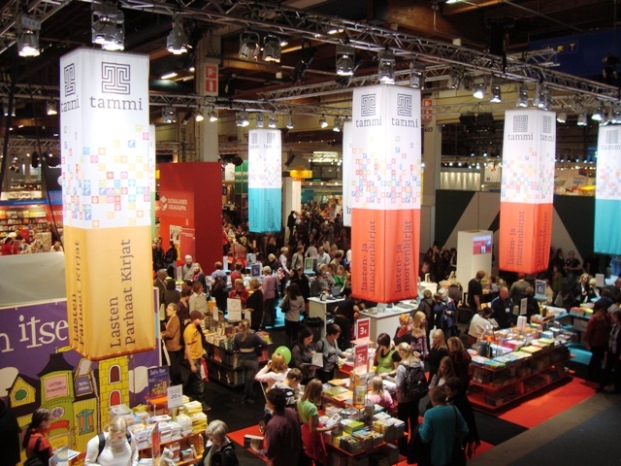
I just assisted to the new edition of the Helsinki Book Fair 2011 (Helsingin Kirjamessut), that as every year, is held at the huge Messukeskus in Pasila.

I had not been there for a few years, and I used to remember it more crowded and with some more stands focused on books; this year a big amount of the space is about music or food and wine (which on the other hand comes quite handy if you need to fill your empty stomach after wandering for a few hours there).

Kirjamessut 2011

I left a bit disappointed for several reasons. First, the marketing mind of the Finns in their stands could be better. They just sell like if it would be a normal shop, supposedly these fairs should be much more fun for the visitors, with a lot of competitions and prizes, free marketing items and little presents and gifts, etc. I saw almost nothing of that. The fair seems just focused on the appearances of guest writers to be interviewed in public or selling the same books that you find in the shops with almost the same price.

Secondly, it is surprising the lack of books in English or any other language that it is neither Finnish nor Swedish. Well, basically after wandering the stands for three hours, I saw nothing except of a few handful of English titles or books translated into English. And that was everything!

Sure it is a book fair held in Finland, sure that titles in Finnish or Swedish are going to be predominant… but still, it is certainly really poor the offer of books at least in English for putting the most clear example of foreign language, displayed there. Most of the companies that have stands there, at least the big ones, have a section in their usual shops with titles in English. So why are not shown in the fair? It looks like no foreign presence would be expected at all. So is it that the foreigners living in Finland have no right to read books unless they master Finnish or Swedish languages? Or what about the Finns who want to read books in other languages? No, it seems that those target groups are not important enough in the biggest book fair of the country…

It is an interesting topic about the use of English language in Finland that could be discussed much longer. At least in the big cities, English is accepted as a normal language to speak to foreigners, because the Finns recognize the difficulties of learning Finnish language. But that does not extrapolate to popular culture. Offer of books in English is poor, and most of the times, if you buy or rent a DVD, even if the movie was originally in English language, the subtitles will be only in nordic languages. So if many Finns or foreigners would like to read the subtitles in English at the same time than listening to the movie, forget about it…

The happiest point about the Book Fair was that the central point of this year was the focus on Estonian literature, maybe the recent success of “Purge” (that is being turned into a movie directed by Antti Jokinen, these current days being shot in Estonia) by Estonian-Finnish author Sofi Oksanen made the Finns look with more attention to the other side of the Baltic. Estonia is a country that has a special place in my heart, having lived there for 3 years, so I was happy to see that Finnish literature scene were giving them the central stage at the Fair. Unfortunately, once again, the books from Estonian authors could be found only in original Estonian or in Finnish translation… They create a leaflet to advertise the focus on Estonian literature in English and Finnish, and then you cannot find any book with the English translation of the Estonian authors; paradox?

5 Estonian authors to follow

Mihkel Raud

Mihkel Raud
3 years ago Mihkel published the book that every young Estonian citizen wanted to read: “Dirt in your Face”, an autobiographical tale of the rock years in Estonia. Drugs sex and rock & roll in the Estonian way. Now he just published “Blue in the Sky” and is judge of Estonian idols TV show. Bad boys can also sell books!

Jaan Kross

Jaan Kross

The most popular and international Estonian author, translated in more than 20 languages, he died in 2007. His works are often metaphor of resistance and a call for independency from the Soviet Union. Read for example his 13th novel, “Treading Air”.

Ene Mihkelson

Ene Mihkelson

Her latest novel “Plague Grave” accounts to be one of the most important Estonian works ever written. Her books focuse on the psychological aspect of history and the perception in human minds of the key events in Estonia´s recent past.

Viivi Luik

Viivi Luik

“The Seventh Spring of Peace”, her novel published in 1985, is considered a landmark in the Estonian prose of the past decades. The autobiographical tale offers a powerful description of the sensitive issues of the Stalinist era: deportation.

Kristiina Ehin

Kristiina Ehin

One of the best known poetess of her generation (born in 1977). She uses simple but figurative language. Her poetry also touches a social nerve, rising above the topics of love and nature.

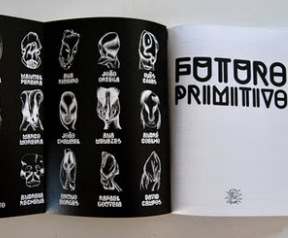
Comic Exhibition in Helsinki: “Futuro Primitivo”

Portuguese artist and old colaborator Marcos Farrajota visited Finland during the Comic Festival hold in Kamppi, so we had the chance to talk to him about his views on Finland and his current exhibition in Helsinki Comic Centre:

Hi Marcos. You are currently in Finland for the comic fair, and you have visited this country a few times in the past. Can you tell us your impressions about Finland, and what brings you here so often?

I come because of the comics fest. I like Finland culture: music and comics, and I think Finns funny…. They are more latins somehow that look at first sight!

Were there any works-artists that you especially liked during the comic fair in Helsinki?

I think this year the festival looked more commercial so I actually missed some older artists of the Finn scene and didn’t found brand new blood or something that blow my head like in the past. But the best one should be OLIVIER SCHRAUWEN

You told me that you are going to spend time in a residence for artists near Turku. What are you going to be doing there during the next weeks?

I’m doing my new comic book. It’s about people that collect stuff, archives and piracy. Should look like an essay but as usual with autobiographical episodes…

futuro Primitivo

You have a new comic book, where you have put together the works of many artists that send you stories. Can you explain a bit more in detail about the project?

For starters it’s called Futuro Primitivo (Primitive Future in English, Primitiivenen Tuleivassus in Finn) , ripping off a Sepultura song, hahahaha! Well, I fed up of doing anthologies and decide to make a new concept for this… So I decide to make somekind of “narrative DJing” which means that I ask to 40 artists to send comics with a “post-apocalitic” theme but in 2 strips per page so that then I could remix the sequences and turning 40 stories in just one story. I guess nobody made this and this opens a new way to work in comics in the future. Also, you can download for free the soundtrack of the book /exhibition on the net-label You Are Not Stealing Records.

You have a current exhibition in Arabia in Helsinki. Can you say a bit more about what the visitors can find there, and until what date will be running?

Until 1st October, you can see the original work / drawings of the book, so it can see a contemporary comix from Portugal authors. You have all kind of images and graphic styles, I guess this is good for starters, then you can see / buy also Chili com Carne (the label of the publisher of the book) editions and the silkscreens – some also are “graphic DJing”, we ask some graphic designers to pick up images of the comix book to make a new image / poster / silkscreen.

What are your next projects after your stay in Finland?

Actually the show goes to Mälmo (Sweden) to open there in 14th October… I try not to think about the future (primitive or not) because I’m focusing in my new book so going to Sweden is already something real… And then in December is the Independent Edition Fair in Portugal – in Porto, at Maus Hábitos venue. Go there!

FUTURO PRIMITIVO exhibition in Helsinki Comic Centre – Sarjakuvakeskuksella 5.9.–1.10

Competition – The Secrets of the Immortal Nicholas Flamel

FREE! Magazine and Random House Group bring you the best of the best in fantasy literature!!!

Get one of the three amazing packages we are giving away for free as a present to our readers with the full 5 books published so far of the saga The Secrets of the Immortal Nicholas Flamel by The New York Times bestselling Michael Scott:

The Alchemyst
The Magician
The Sorceress
The Necromancer
The Warlock

books for free!

Just send the correct answer to the following question below by email, writing in the subject field “Michael Scott competition”, to free(at)freemagazine.fi or to the editor antonio.diaz(at)freemagazine.fi and the books can be yours!!!

Question: The author Michael Scott is:

a) Finnish
b) Swedish
c) English
d) Scottish
e) Irish